Find Your Perfect Pair: The Ultimate Guide to Men's Dress Shoes
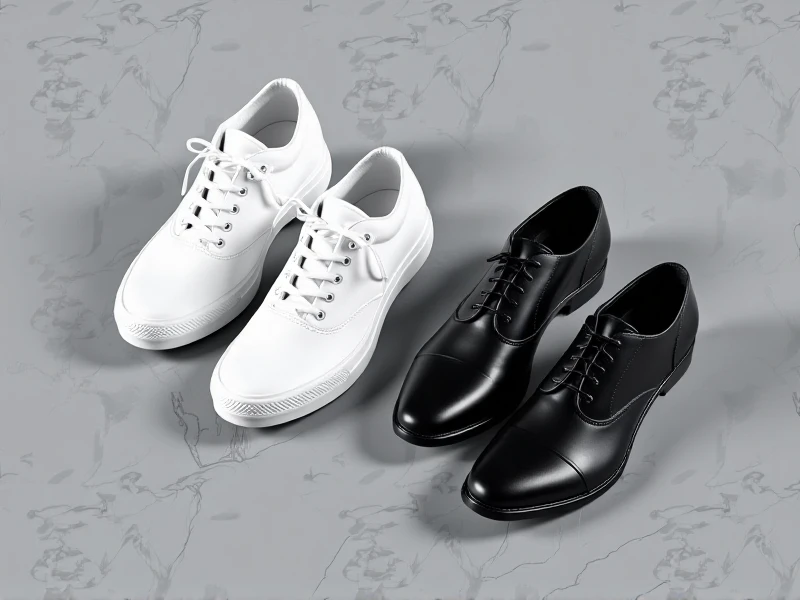
Dress shoes are the cornerstone of a polished, professional appearance. They elevate a suit for important meetings, add sophistication to trousers and a blazer for weddings, and signal attention to detail that doesn't go unnoticed. But navigating the world of men's dress shoes can feel overwhelming. This guide breaks down the essentials to help you find comfortable, stylish footwear that lasts.
Choosing Your Style
- Oxfords: The pinnacle of formal wear. Characterized by "closed lacing" (the quarters are stitched under the vamp), Oxfords offer a sleek, minimal silhouette. Ideal for black-tie events, crucial interviews, and strict business environments. A classic cap-toe Oxford is a wardrobe essential.
- Derbies (Bluchers): Known for "open lacing" (quarters stitched on top of the vamp). This creates more flexibility and a slightly less formal look compared to Oxfords. Derbies are incredibly versatile, working equally well with suits, sport coats, chinos, and even dark jeans for smart-casual settings.
- Monk Straps: Offering a distinctive look with one or two buckled straps instead of laces. Single monks lean sophisticated for suits, while double monks provide a slightly bolder statement suitable for business-casual or creative dress codes.
- Loafers: The king of refined casual. Slip-on designs like Penny Loafers, Tassel Loafers, or Horsebit Loafers offer exceptional comfort without sacrificing style. Perfect for business-casual offices, weekends, or summer events when worn without socks (or with no-shows).
Beyond Looks: Fit & Comfort Are Paramount
No matter how beautiful, uncomfortable dress shoes are unwearable. Prioritize:
- Sizing: Feet change! Get measured professionally periodically. Understand differences between US, UK, and EU sizes. Width (B, D, E, EE) is crucial – a too-narrow shoe spells agony.
- Materials: Full-grain leather offers the best durability, breathability, and molds to your foot. Goodyear welted or Blake stitched soles offer longevity and easier resoling. Avoid cheap synthetics which lack breathability.
- Support & Break-in: Quality shoes provide arch support. Allow a proper break-in period. If a shoe feels painfully tight off the shelf, it likely won't stretch enough.
Caring for Your Investment
Quality dress shoes can last a lifetime with proper care:
- Rotation: Never wear the same pair consecutively. Allow shoes 24 hours to air out and recuperate.
- Trees: Use cedar shoe trees immediately after taking them off. They absorb moisture, maintain shape, and prevent odors.
- Cleaning & Polishing: Brush off dirt after wear. Condition leather regularly to prevent drying and cracking. Polish to protect the finish and maintain shine.
- Heel & Sole Maintenance: Replace worn heel taps and have soles resoled before the welt is damaged.
Styling with Dress Shoes
- Formal (Suits): Stick with Oxfords (black/brown) or Monk Straps (black).
- Business (Sport Coats/Slacks): Derbies, Monk Straps, or well-polished Loafers shine. Black, dark brown, oxblood work well.
- Smart-Casual (Chinos/Shirts): Derbies, Loafers (Penny or Tassel), and brogued styles (wingtips) add character. Play with burgundy, tan, or lighter brown shades.
- Color Coordination: Match your belt leather color to your shoes for a put-together look.
Finding the perfect pair of dress shoes blends functionality, comfort, and personal style. Understanding the types ensures you choose the appropriate level of formality. Prioritizing fit guarantee they feel as good as they look. Consistent care protects your investment, ensuring your shoes remain a mark of your sophistication for years. Step out with confidence. Explore quality collections and find your ideal pair today!